
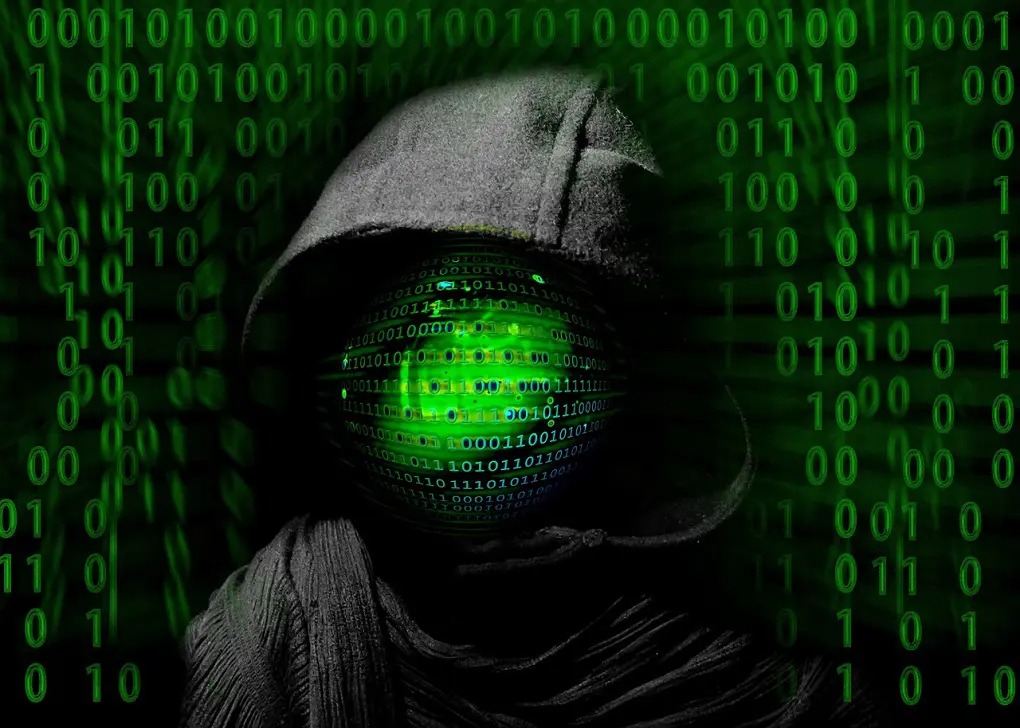
Dark Net Army and the Evolution of Online Power
The concept of power in the digital age has undergone significant transformation, especially with the emergence of what is often referred to as the “Dark Net Army.” This term broadly describes groups operating within the darker corners of the internet-networks that are not indexed by traditional search engines and require specific software or authorization for access. These entities have shifted how influence and control manifest online, challenging conventional frameworks of authority and security.
Historically, power on the internet was largely centralized among governments, corporations, and mainstream media platforms. However, as technology advanced, decentralized networks began to flourish. The Dark Net Army exemplifies this shift by leveraging anonymity tools such as Tor and encrypted communication channels to coordinate activities beyond public scrutiny. Their operations range from hacktivism and cyber espionage to disinformation campaigns and financial crimes. This evolution reflects a broader trend where non-state actors gain substantial influence without direct accountability.
The rise of these clandestine groups underscores vulnerabilities within global cybersecurity structures. Traditional defense mechanisms struggle to keep pace with sophisticated tactics employed by dark net operatives who exploit zero-day vulnerabilities or deploy ransomware attacks that cripple critical infrastructure. Consequently, nations have been compelled to rethink their strategies around digital sovereignty and resilience. Collaborative international efforts now focus on intelligence sharing and rapid response protocols aimed at mitigating threats emanating from hidden online spaces.
Beyond mere disruption, the dark net army also plays a role in shaping public discourse through targeted misinformation campaigns designed to polarize societies or undermine trust in democratic processes. By manipulating social media algorithms or flooding forums with coordinated messages, these actors can sway opinions subtly yet effectively over time. This phenomenon reveals how control over information dissemination has become a powerful tool in modern conflicts.
Despite their illicit nature, some factions within these groups claim ideological motives such as promoting privacy rights or resisting censorship imposed by authoritarian regimes. This complexity challenges policymakers who must balance enforcement against respecting civil liberties in cyberspace governance.
In summary, the Dark Net Army represents a new frontier in online power dynamics where anonymity enables both malicious activity and political expression outside traditional oversight mechanisms. Their presence signals an ongoing evolution requiring adaptive legal frameworks, technological innovation, and international cooperation to safeguard digital ecosystems while preserving fundamental freedoms essential for open societies today.