
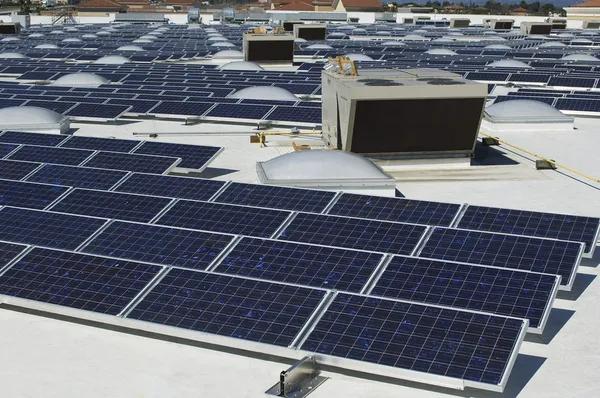
How Weather Impacts Solar Panel Energy Generation
Solar panels convert sunlight into electricity, making them a popular renewable energy source. However, their efficiency and energy output are directly influenced by weather conditions. Understanding how weather impacts solar panel performance is essential for optimizing energy generation and managing expectations in various climates.
Sunlight intensity is the most critical factor affecting solar panel output. Clear, sunny days provide maximum irradiance, allowing panels to operate at peak capacity. Conversely, cloudy or overcast skies reduce the amount of sunlight reaching the panels, decreasing their efficiency significantly. Even though solar panels can still generate electricity under diffuse light conditions, the overall power produced during such times is substantially lower than on bright days.
Temperature also plays an important role in solar panel performance but often in a counterintuitive way. While it might seem that hotter conditions would boost energy production due to increased sunlight, excessive heat actually reduces a panel’s efficiency. Solar cells typically perform best at moderate temperatures around 25 degrees Celsius (77 degrees Fahrenheit). When temperatures rise above this level, electrical resistance within the cells increases, leading to decreased voltage output and thus lower overall energy generation.
Rainy weather may appear detrimental at first glance because it limits sunshine; however, rain can have some find more information positive effects on solar panels. Rainfall helps clean dust and debris off the surface of the panels that accumulate over time and block sunlight from being absorbed efficiently. This natural cleaning process improves panel effectiveness once clear skies return after rain showers.
Snow presents both challenges and benefits depending on its accumulation and duration on the panels’ surfaces. A thick layer of snow can obstruct sunlight entirely until it melts or slides off due to gravity or wind exposure. On the other hand, fresh snow reflects additional sunlight onto nearby surfaces-a phenomenon known as albedo-which can sometimes increase indirect light available for collection if panels remain partially uncovered.
Wind itself does not directly affect solar power generation but contributes indirectly by cooling down overheated modules during hot periods thereby enhancing their performance slightly compared to stagnant air conditions.
In summary, weather has multifaceted effects on solar panel energy production ranging from direct influences like sun availability and temperature fluctuations to indirect factors such as self-cleaning through rain or cooling via wind flow. Recognizing these dynamics enables better planning for installation sites and maintenance schedules while setting realistic expectations about daily or seasonal variations in renewable energy harvests from photovoltaic systems worldwide.