
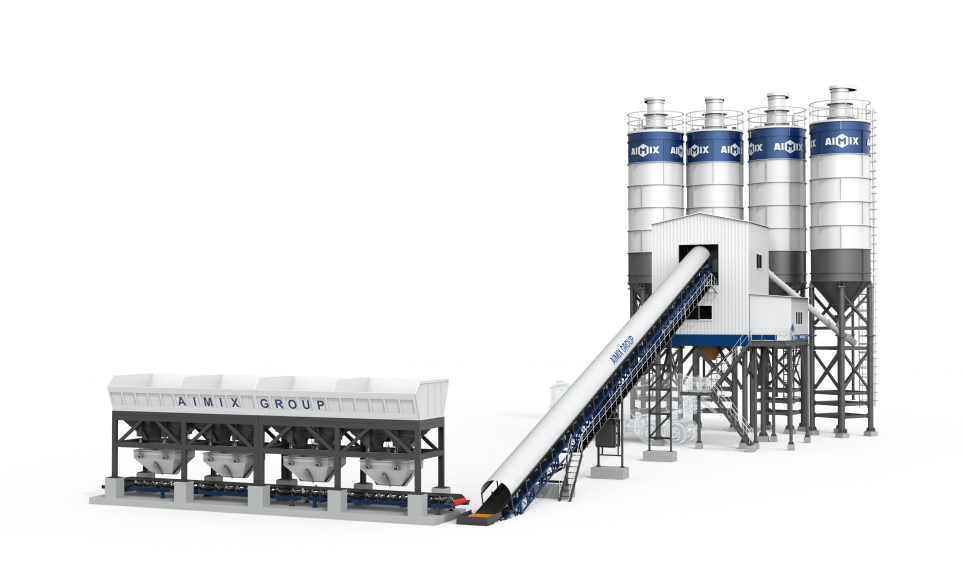
Paste Fill Technology Uses and Benefits Explained Clearly
Paste fill technology is an innovative method widely used in various industries, particularly in mining and construction, to manage waste materials while providing structural support. This technology involves mixing tailings or other fine waste particles with binders such as cement or lime and water to create a thick, paste-like material. Once prepared, this paste is pumped into voids or stopes within mines or used for backfilling purposes in construction projects. The use of paste fill technology offers numerous advantages that contribute significantly to environmental sustainability, operational efficiency, and safety.
One of the primary uses of paste fill technology is in underground mining operations. After extracting ore from a stope (an excavation area), the resulting empty space poses risks such as ground collapse or subsidence. By filling these voids with paste fill, miners can stabilize the underground structure effectively. This not only enhances worker safety but also allows for more extensive ore extraction since the filled areas provide immediate support for adjacent stopes. Additionally, using mine tailings as part of the paste reduces the volume of waste stored on surface facilities, mitigating environmental hazards associated with tailings dams.
Another important application is in surface mining reclamation where large pits need to be restored after resource extraction ceases. Paste fills can be employed to backfill open pits gradually during mining activities or post-mining rehabilitation efforts. This approach helps restore landforms closer to their natural state and minimizes long-term environmental impacts such as erosion or groundwater contamination.
The benefits of paste fill technology extend beyond its practical applications; it promotes sustainable waste management by recycling mine residues rather than discarding them as hazardous materials. Tailings often contain harmful substances that could leach into soil and water systems if left unmanaged; encapsulating them within a solidified matrix prevents contamination effectively.
Operationally, using paste fills improves productivity by reducing downtime caused by ground instability issues common in unsupported excavations. It also decreases reliance on traditional rockfills which require more handling and transportation costs due to their bulkier nature compared to pumpable pastes.
Furthermore, advancements in mix designs allow engineers to tailor the strength and flow properties of pastes according to specific site requirements ensuring optimal performance under varying geological conditions.
In conclusion, paste fill technology represents a significant advancement in both environmental stewardship and industrial efficiency across sectors like mining and barrier wall construction. Its ability to convert potentially hazardous wastes into useful structural materials enhances safety measures while supporting sustainable development goals through responsible resource utilization and reduced ecological footprint. As research continues improving formulations and application techniques further adoption promises even greater benefits globally across multiple fields reliant on effective ground support solutions combined with eco-friendly practices.